How a Wind Mitigation Inspection Can Help Homeowners
Living in Florida comes with many benefits, from warm weather to beautiful communities and coastal living. But homeowners also understand that Florida weather can be unpredictable, especially during storm season. Strong winds, heavy rain, and hurricanes can put serious pressure on a home’s roof, windows, doors, and overall structure.
That is where wind mitigation inspection services can be helpful. A wind mitigation inspection looks at specific features of a home that may help reduce wind damage during severe weather. It gives homeowners a better understanding of how their property is built to handle wind and what improvements may be worth considering.
For many homeowners, this inspection is also connected to insurance. While every situation is different, certain wind-resistant features may help homeowners qualify for potential insurance savings. More importantly, it helps property owners feel more informed and prepared.
What Is a Wind Mitigation Inspection?
A wind mitigation inspection is a focused inspection that reviews the wind-resistant features of a home. Instead of checking every part of the property like a full home inspection, this inspection mainly looks at areas that affect how the home may perform during high winds.
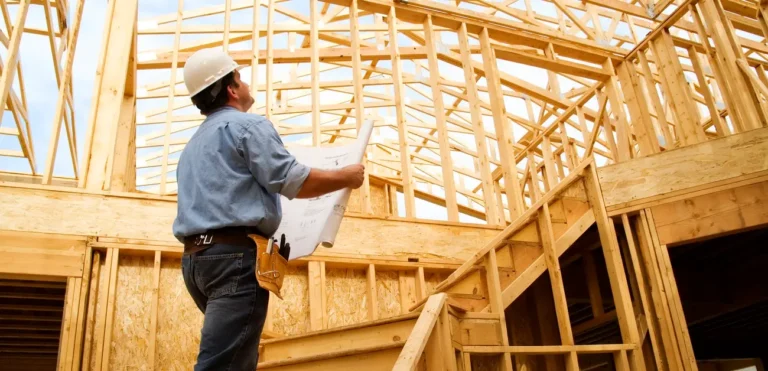
A professional inspector reviews visible and accessible areas of the property and documents the features that may help protect the home from wind damage. This can include roof shape, roof covering, roof-to-wall connections, opening protection, and other construction details.
Homeowners who are already using professional home inspection services may also ask about wind mitigation as an added service, especially if they want a more complete understanding of their property.
Roof Shape and Roof Covering Review
The roof is one of the most important parts of a wind mitigation inspection. During strong winds, the roof takes a lot of pressure. If the roof is not properly secured or is in poor condition, it may be more vulnerable to damage.
The inspector may review the shape of the roof, visible roof materials, roof age, and how the roof appears to be attached. Certain roof shapes may perform better in high winds, and updated roof coverings may provide better protection than older materials.
The goal is not to say whether the roof is perfect. The goal is to document the visible wind-resistant features and help the homeowner understand what is present.
Window and Door Protection
Windows, doors, and garage doors are also important during storms. If strong wind breaks a window or damages an opening, pressure can build inside the home and increase the risk of more serious damage.
During the inspection, the inspector may look for impact-rated windows, storm shutters, reinforced garage doors, or other protective features. If the home has approved opening protection, that information may be included in the inspection report.
This part of the inspection helps homeowners better understand whether their property has protection in place for vulnerable openings.
Wind-Resistant Features
A wind mitigation inspection may also look at features such as roof-to-wall connections, secondary water resistance, roof deck attachment, and other visible storm-protection details. These features can play an important role in how well a home may handle severe weather.
Some of these areas may require attic access or documentation from previous construction or roofing work. A clear inspection report can help homeowners see what features are currently present and what information may be useful for insurance or future upgrades.
Why Wind Mitigation Matters
Wind mitigation is not only about insurance paperwork. It is about understanding your home’s ability to handle strong weather conditions. For Florida homeowners, this knowledge can be very valuable.
Helps Identify Storm Protection Features
Many homeowners do not know what storm-resistant features their home has. A property may already include upgrades such as impact windows, roof straps, reinforced doors, or improved roof attachments. A wind mitigation inspection helps identify and document those features.
This is especially useful for homeowners who purchased a home without full knowledge of past improvements. It can also help buyers understand the storm-related strengths of a property before making decisions.
Supports Property Safety Awareness
A home is more than a building. It is where families live, rest, and feel safe. Knowing how your home may perform during strong winds helps you make better maintenance and upgrade decisions.
If certain features are missing or outdated, homeowners can use the report as a guide for future improvements. This does not mean every home needs immediate upgrades, but it does provide helpful information for long-term planning.
Working with a trusted home inspection company can make the process easier because the findings are explained in a clear and practical way.
May Help With Insurance Savings
One reason many homeowners schedule a wind mitigation inspection is the potential for insurance discounts. Insurance companies may review the report to determine whether the home has features that reduce wind-related risk.
A wind mitigation inspection in Tampa FL can be especially helpful for homeowners who want updated documentation for their insurance provider. While discounts are not guaranteed, having the inspection completed gives homeowners the information they need to submit to their insurance company.
What Homeowners Should Prepare Before Inspection
A wind mitigation inspection is usually simple, but a little preparation can help the process go smoothly.
Property Access
Make sure the inspector can access important areas of the home, including the exterior, attic, garage, and any areas where storm-protection features may be visible. If certain areas are blocked, the inspector may not be able to document them properly.
Previous Inspection Documents
If you have previous inspection reports, roofing documents, permits, or product information for windows, doors, or shutters, keep them ready. These documents may help support what is found during the inspection.
Documentation can be especially useful if recent upgrades were completed but are not easy to verify visually.
Roof and Attic Access if Needed
Some wind-resistant features may be located in the attic, such as roof deck attachment or roof-to-wall connections. If attic access is needed, make sure the entry point is clear and safe.
The inspector will only review areas that are visible and accessible, so preparation can make the report more complete.
Understanding Other Inspection Types
Homeowners often compare wind mitigation inspections with other insurance-related inspections. For example, Four-Point Inspection: What Homeowners Need to Know is another important topic that helps property owners understand the condition of key systems such as the roof, electrical, plumbing, and HVAC. While a four-point inspection serves a different purpose, learning about both inspections can help homeowners make informed decisions about their property and insurance needs.
Final Thoughts
A wind mitigation inspection can give homeowners valuable information about how their property may handle strong winds. It helps identify storm-protection features, supports insurance documentation, and gives homeowners a clearer understanding of their home.
For Florida homeowners, being prepared is always a smart decision. Whether you are updating your insurance records, checking your home’s storm-resistant features, or planning future improvements, a professional inspection can give you the clarity and confidence you need.
FAQs
1. What is a wind mitigation inspection?
It is an inspection that checks wind-resistant features of a home, such as roof shape, roof attachments, and window protection.
2. Why do homeowners need wind mitigation inspection services?
They help homeowners understand storm-protection features and may support insurance discount opportunities.
3. Is wind mitigation the same as a four-point inspection?
No, wind mitigation checks storm-resistant features, while a four-point inspection checks roof, electrical, plumbing, and HVAC systems.
4. Can wind mitigation help with insurance?
Yes, it may help with insurance savings if the home has qualifying wind-resistant features.
5. What should I prepare before the inspection?
Provide access to the attic, garage, exterior areas, and any documents for roofing, windows, doors, or shutters.